Cultural Roots and Personal Bond
India, one of the oldest civilizations in the world, has a deep cultural and spiritual connection with animals, especially dogs. In Hindu mythology, dogs are seen as loyal, protective, and spiritually significant. The Bhairava form of Lord Shiva is often accompanied by a dog. Lord Dattatreya is always depicted with four dogs symbolizing the four Vedas. In the epic Mahabharata, Yudhishthira’s unwavering loyalty to a dog led him to heaven. Across many Indian households and traditions, dogs have long been respected companions and guardians. But despite this rich cultural reverence, today’s reality paints a starkly and painfully different picture, especially for India’s stray dogs.
A Personal Story: How Compassion Was Nurtured at Home
I am an animal and nature lover, a trait I inherited from my mother. She grew up in a small village where animals and plants were treated like family. This connection naturally extended to me and my brother. We were fortunate to have a large open space where my mother cultivated a garden and raised numerous animals – dogs, cats, rabbits, pigeons, parrots, and even fish in an aquarium (at my home).
Anytime we found an injured or lonely stray animal on the street, we brought it home. My mother would provide first aid, food, and love. Many of those animals stayed and became part of our family. This routine has been a part of our lives for decades.
Even today, despite aging and both her children having moved abroad for studies, my mother continues to care for over ten stray dogs and several cats. Every evening, she visits our place, where she waters the plants, feeds the stray dogs and cats, checks for any injuries, and takes them to a vet if needed. Their joy upon seeing her – tails wagging, eyes gleaming – reminds me of children rushing to greet their mother returning from work.
Confronting the Crisis: A Reality Check
During a recent holiday in India, I began to observe the situation more critically. While watching my mother feed the animals, a troubling question lingered in my mind — Is this enough? How many stray animals can one household care for? 10? 20? 30?
The ‘State of Pet Homelessness Index’ revealed that an estimated 80 million homeless cats and dogs in India are living in shelters or on the streets – the highest in the world. That’s 80 million lives struggling without shelter, food, or basic care. Many suffer from painful diseases, or untreated wounds, or are victims of abuse and neglect.
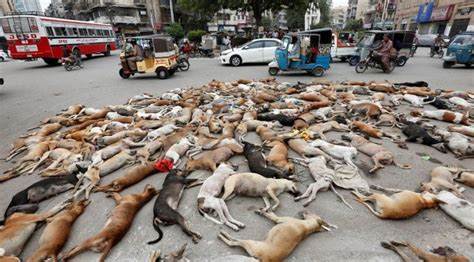
Every day, I see heartbreaking scenes:
- A severely ill dog lying helpless by the roadside.
- Dead dogs struck by vehicles, their bodies ignored by passersby.
- Children throwing stones or crackers at dogs for entertainment, because they were never taught to respect life.
- Adults beating or chasing strays out of fear, frustration, or annoyance.
- Almost every night, the cries of dogs fighting and crying in pain over territory pierce the silence.
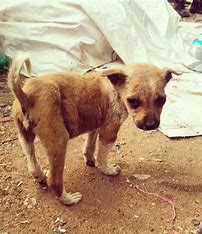
Despite the efforts of animal lovers, NGOs, and a few active citizens, the problem is growing and society remains largely indifferent. And the citizens just watching them suffer and sometimes abusing them is more or less ANIMAL CRUELTY.
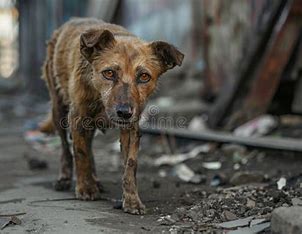
Understanding the Magnitude of the Problem
This crisis isn’t just about animal welfare — it’s also a serious public health and safety issue.
• A Personal Incident:
During my high school years, I enrolled in a government residential school where merit students from all over the state get free education and boarding facilities near a forested area. One of my classmates was attacked by a pack of stray dogs while walking early in the morning on the way to the study hall. She was severely injured. Thankfully, she survived, but the trauma remained.
• Human Deaths and Rabies:
According to data collected by Dr. Abi Tamim Vanak, an animal ecologist and conservation biologist, over 300 people, primarily children from poor and rural backgrounds, were killed or seriously injured by dogs between 2016 and 2020.
The World Health Organization (WHO) reports that India accounts for 36% of the world’s rabies deaths, with around 18,000–20,000 deaths annually, primarily caused by dog bites. Rabies is almost always fatal once symptoms appear, yet it is entirely preventable with timely treatment.
• Environmental and Public Hygiene Hazards:
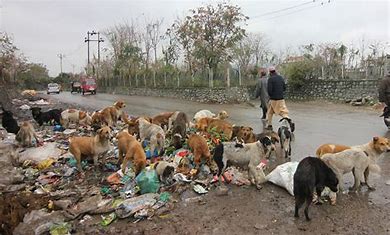
Stray animals often defecate in open areas, leading to unsanitary conditions. Their waste attracts pests and spreads diseases. Barking, fighting, and scattering garbage add to the public nuisance. In densely populated urban spaces, this leads to rising tension between humans and animals.
• Some Horrifying Cases from Recent Years:
# In 2023, nine women were killed by stray dogs in Begusarai, Bihar.
# In Hyderabad, a 4-year-old boy was mauled to death by three stray dogs.
# Nearly 3 million cases of dog bites were reported in 2023 alone, with 286 deaths in New Delhi.
# In 2016, a 65-year-old woman and a 90-year-old man were killed by dogs in Kerala, the woman was partially eaten by the stray dogs, prompting locals to kill 100 dogs in retaliation.
# In 2020, a newborn baby was mauled to death by dogs in Uttar Pradesh when hospital staff left a window open.
The numbers are harrowing – and they keep growing.

The Other Side of the Story: The Pain of Stray Dogs
The life of a stray dog is not just dangerous for humans — it is full of constant suffering for the animals themselves.
They roam the streets exposed to hunger, dehydration, extreme weather, infections, and violence. Minor injuries often turn fatal due to a lack of medical help. Parasites, untreated diseases, and starvation are rampant. Most live short, painful lives, dying in agony on the very streets they were born.
Despite their suffering, many of these animals are gentle, loyal, and capable of love. But with no system to protect or care for them, they’re left to perish or be treated as threats.
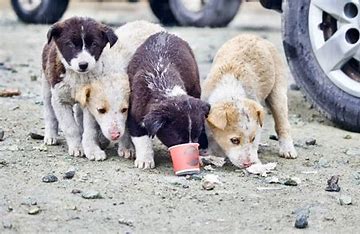
While stray dogs face immense hardships themselves, their presence can unintentionally create challenges for other street animals, particularly cats. Dogs, being territorial and often moving in packs, may chase or attack cats, especially during feeding times or over shelter spaces. This makes it harder for cats to access food, safety, or medical help. Kittens are especially vulnerable. The constant threat can force cats into hiding, reducing their chances of survival. A balanced approach to managing stray dog populations is essential to ensure the well-being of all street animals.
Legal Framework and Its Loopholes
India does have animal protection laws. The Prevention of Cruelty to Animals Act, 1960, penalizes abuse. But enforcement is weak. Many cases go unreported, and even when they are, offenders often escape with minimal consequences.
The absence of large-scale sterilization, vaccination programs, and proper rehabilitation centers worsens the issue. Some cities have tried to take action, but isolated efforts cannot solve a national problem of this scale.
Learning from the World: How Other Countries Handled the Stray Dog Crisis
While India continues to grapple with its stray dog problem, several countries have successfully implemented sustainable, humane solutions — proving that with the right policies and community will, change is possible.
Successful Global Models
- The Netherlands is often hailed as the first country to become “stray dog-free.” Rather than resorting to mass culling, the Dutch government adopted a collect, neuter, vaccinate, and return (CNVR) approach. They also enforced strict animal welfare laws, promoted adoption over buying pets, and levied heavy taxes on the sale of bred dogs, discouraging overbreeding.
- Germany has robust animal protection laws and maintains strict regulations around pet ownership. They have high adoption rates and mandatory licensing, along with responsible pet owner education — reducing abandonment and ensuring accountability.
- Turkey handles stray dogs through community inclusion. Stray animals are tagged, vaccinated, and released, with food and water stations placed in public areas. Citizens often see caring for strays as a communal duty, creating a more compassionate environment.
- Romania, once infamous for its stray dog issues, has made notable progress with neutering campaigns and EU-supported welfare regulations.
What India Can Do: The Way Forward
India’s problem is uniquely complex due to its large population, urban chaos, and inadequate infrastructure. However, change is still possible if tackled with a multi-pronged approach
1. Nationwide CNVR (Catch-Neuter-Vaccinate-Release) Programs
Proper implementation of sterilization and vaccination campaigns, not just in urban centers but also in semi-urban and rural areas. Funding and support should be directed toward NGOs already working on the ground.
2. Stricter Pet Ownership Laws & Responsible Breeding Regulation
Implement mandatory registration, penalties for abandonment, and licensing for breeders.
3. Animal Welfare Education
Introducing basic animal empathy and safety education in school curriculums will instill compassion from a young age. Public awareness campaigns can reduce cruelty and improve coexistence.
4. Partnerships with NGOs and the Private Sector
Government bodies can collaborate with dedicated animal welfare organizations and companies (like Mars Petcare) to create structured intervention plans — leveraging their data, resources, and outreach.
5. Building More Shelters & Mobile Clinics
Investment in well-managed, hygienic shelters and mobile veterinary units will help care for injured or ill strays and reduce suffering on the streets.
6. Community Involvement and Decentralized Action
Municipalities should enable local communities to take part in dog feeding zones, report injured animals, and even foster programs, turning compassion into actionable impact. Keeping the public places cleaner.
7. Encouraging adoption over purchase can also control overpopulation.
Some of the drawbacks of Selling Exotic Dog Breeds:
- The rising demand for exotic dog breeds in India has led to serious ethical, environmental, and health concerns. While breeds like Huskies, Saint Bernards, and Alaskan Malamutes may appear fashionable or desirable, they are often ill-suited to India’s hot and humid climate. These breeds can suffer from heatstroke, skin infections, and respiratory issues, as they are biologically adapted to cold environments.
- For example, Rottweilers, A powerful guardian breed, Rottweilers need consistent training, early socialization, and strong leadership. Without it, they can develop aggression or fear-based behaviors, making them risky around untrained children or guests. We’ve seen many cases where pet dogs become aggressive and unpredictable all of a sudden and attack people.
- Moreover, the commercial breeding industry that supports exotic dog sales often prioritizes profit over animal welfare. Overbreeding leads to congenital health problems, while unethical breeders may keep dogs in cramped, unsanitary conditions.
- This obsession with exotic pets also overshadows native Indian breeds like the Rajapalayam, Kombai, or Pariah dogs, which are naturally adapted to local conditions and often healthier and lower-maintenance.
- Encouraging adoption and promoting native breeds over exotic ones can lead to more responsible pet ownership and better animal welfare

A Call for Compassion and Action.
- This is not just an animal issue. It’s a social issue, a public health issue, and a humanitarian issue.
- Most importantly, we need to care. Because change begins with awareness.
Final Thoughts
- India’s stray dog crisis is real. It affects millions of animals and thousands of humans every year. Yet, it continues to be ignored.
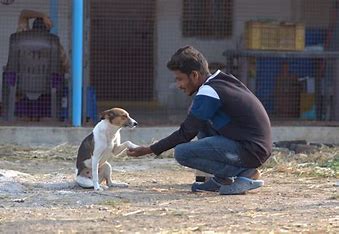
- My mother, with her quiet and consistent compassion, may not change the world. But she changes the world for those few dogs and cats who find love in her presence. And maybe that’s where change begins — with love, empathy, and the will to act.
- Let’s stop looking away. Let’s start caring.
 Inkwellery by Abhi
Leave a comment