1. THE PEACE YOU ARE LOOKING FOR IS INSIDE YOU. YOU JUST NEED TO BE ABLE TO SEE IT.
Probably this is one of the biggest lessons I have learned in my life.
For almost a decade, I was searching for peace everywhere. I searched for it in my family, my friends, and the person I loved. I was constantly struggling in my relationship, thinking it was my partner’s responsibility to give me peace.
I migrated to another country very desperately, believing that I would finally find peace there. I kept changing jobs, working double and sometimes triple shifts, thinking that if I earned more money, I would feel at peace. I moved again to another country, still hoping something would change.
But nothing changed.
No matter where I went or what I did, I could not find peace.
Little did I know, my peace was always inside me. I was never willing to see it. And the day I realized this, my life changed. Now I am at peace with myself. There may still be chaos in life, but inside, I am peaceful.
2.THERE ARE TWO KINDS OF PEOPLE IN THE WORLD.
Life is hard for everyone. Every person on this planet has their own problems.
Even though people deal with their problems differently, almost everyone falls into two broad categories.
The first group is those who, when life hits hard, give up. They convince themselves that this is what life is; they adjust, they compromise, they continue living like that, they just exist.
The second group is those who, when life hits hard, fight back. Even when they fall, they stand up again. They push against everything and try to shape their life according to their will.
These people are rare. These people are the fighters, the achievers. And most of the time, they are the ones who rise and lead.
Be in the second group.
3.BE WHERE YOU ARE AND WATCH EVERYTHING COME TO YOU.
One of the hardest things a human can do is to be where they are, not physically, but mentally.
If a person can remain still, no matter what is happening in life, whether it is good or bad, things begin to change.
Stay still, no matter what is happening around you or within you. Over time, you will start noticing that people and situations are constantly passing by.
In the beginning, you may not see it. But with time, it becomes clear.
When you learn to stay still, you will see that people who once ignored you may start coming towards you. You will notice people trying to hold on to you with their words and attention.
No matter how uncomfortable you feel, learn to stay where you are and keep doing what you need to do: your work, your routine, your responsibilities, lead your life.
The chaos will pass. And slowly, things will start aligning in your favor.
4.MASTERING SELF-DISCIPLINE IS ONE OF THE BIGGEST FAVOURS YOU CAN EVER DO TO YOURSELF.
To remain steady in life, discipline is necessary.
The human mind is unstable. It gets distracted, avoids difficult things, and constantly shifts.
Discipline helps you control that.
It gives you clarity. It builds confidence. It removes unnecessary distractions by keeping you focused on what matters. It protects you from chaos, keeps you healthy, and helps you stay consistent.
Most importantly, discipline helps you trust yourself.
When you stay disciplined even in difficult times, you start believing that you can handle anything. It gives you the strength to act, even when things are hard.
Over time, it changes your life, gives you success and brings you closer to peace.
5.LEARN TO LIVE ALONE.
Learning to live alone does not mean isolating yourself from everyone.
Humans are social beings. We need people in different ways.
But living alone means being able to stand on your own, no matter what.
Be happy even when you are alone. Learn to navigate your challenges by yourself. Do not depend on anyone emotionally, financially, or in any other way.
Do not expect people to always help you, support you, solve your problems, provide you with anything, or even be there in your happiest or saddest moments.
If they are there, it is good. But if they are not, you should still be able to continue living alone and moving on in your life.
That is what it truly means to live alone, and it gives you immense strength.
For more than 250 million years, life on Earth followed a fairly predictable script.
From ancient reptiles to Dinosaurs to reptiles or animals to humans, male animals fought for attention. Female animals chose the strongest mate. Life reproduced, survived, and repeated the cycle again and again.
Male deer locked antlers.
Peacocks spread dazzling feathers.
Lions battled rival males for pride and territory.
Nature had its rules, and almost every creature followed them.
Then something unusual appeared on this planet: humans.
For thousands of years, humans followed the same pattern. Then the script slowly began to change.
The Old Rules of Nature
In the natural world, survival and reproduction are the two main goals. The theory of Natural Selection, first explained by Charles Darwin, tells us that animals evolve traits that help them pass on their genes. That is why male animals often compete fiercely for females. It is simple biology: the strongest, fastest, or smartest male wins the chance to reproduce. For millions of years, this system worked almost like a law of nature. Animals did not question it. They simply followed instinct. But over time, for humans, Freedom and Power have become core instincts now.
The Moment Nature Did Something Different
But humans evolved something extraordinary: a brain capable of questioning instinct itself. The human brain, especially the part responsible for planning, imagination, and self-control, became unusually powerful. It allowed humans to do something no other species does consistently: pause and choose.
Animals act. Humans think before acting. A lion does not wake up one morning and decide it wants freedom instead of mating. A dolphin does not debate whether having children fits its life goals. Humans do. That ability to reflect on our own behavior changed everything.
The Rise of Culture
Humans also developed something animals rarely build at large scale: culture.
Culture means shared systems of knowledge: language, traditions, laws, education, science, and technology. These systems shape behavior just as strongly as biology.
Over time, humans learned to store knowledge outside the brain through inventions like the Printing Press and eventually the Internet.
For the first time in Earth’s history, information could accumulate across generations. Each generation didn’t have to start from zero.
A human child could learn thousands of years of discoveries in a few decades.
No other species on Earth operates this way.
Humans Didn’t Just Adapt, They Reshaped the World. Most animals must adapt to their environment. Humans do the opposite. At some point, humans began doing something no other species had done before, influencing the elements themselves. Fire was tamed. Rivers were slowed by dams. Bridges rose over waters that once separated civilizations. Instead of simply adapting to the world, humans began quietly redesigning parts of it. Instead of evolving thicker fur in cold weather, we invented jackets. Instead of growing wings, we built airplanes. Instead of stronger immune systems, we created medicine. Human intelligence allowed us to harness natural forces like electricity and magnetism: phenomena explained by scientists such as James Clerk Maxwell through the science of Electromagnetism.
In other words, humans learned how to use the rules of nature.
But Power Came Faster Than Wisdom. This is where the story becomes complicated. Human intelligence gave us extraordinary power. It gave us antibiotics, satellites, and global communication. But it also gave us nuclear weapons, environmental destruction, and global conflicts. The physicist Albert Einstein once warned that technological progress could outpace human wisdom. And sometimes, it feels like that warning is coming true. Our brains evolved for small tribal communities, yet we now operate massive civilizations with billions of people.
The Strange Evolution of Human Behavior
Today, we see behaviors that seem unusual compared to the natural world.
Some people delay or avoid marriage. Some choose not to have children. Some prioritize freedom, identity, or personal exploration over reproduction. From a biological perspective, this seems almost contradictory. No other species consciously debates whether reproduction fits their life plan. But humans are not guided purely by instinct anymore. We are guided by culture, technology, and personal choice. Nature created a species capable of understanding and manipulating its own natural environment.
Unlike any other creature on Earth, humans possess the ability to reflect on their own actions. We can recognize our mistakes, feel guilt or regret, and consciously choose to change our behavior in pursuit of a better future. No other animal is known to pause and question its past decisions in the same way.
Humans also have a unique ability to collectively believe in ideas that exist only in imagination. Concepts such as money, laws, and nations are not physical forces of nature, yet billions of people agree to treat them as real and powerful. Money, for example, holds no inherent value in the natural world, yet humanity has collectively assigned meaning to it. Today, it shapes societies, determines status, influences survival, and even drives wars.
This remarkable ability to create meaning and believe in shared ideas is something no other species has demonstrated. In many ways, it is one of the defining traits that separates human civilization from the rest of life on Earth.
Are Humans the Only Intelligent Species?
Humans are not the only intelligent animals.
Dolphins communicate in complex ways. Chimpanzees use tools and show social strategy. Crows solve puzzles and remember faces.
But these species did not develop three abilities together:
1. advanced language
2. large-scale cooperation
3. cumulative knowledge across generations
Humans did.
And that combination created civilization.
The Paradox of Humanity
Humans may be the most paradoxical species that evolution has ever produced. We are capable of destroying ecosystems, yet also capable of protecting them. We build weapons powerful enough to destroy cities, yet also create global institutions like the United Nations to prevent wars. Our intelligence magnifies everything, both our brilliance and our mistakes.
In a strange way, humanity represents something remarkable.
Through humans, nature has become aware of itself. In a deeper sense, humans may represent something even more extraordinary. The human brain is made up of atoms. These atoms were forged inside ancient stars, long before Earth existed. Over billions of years, the universe formed galaxies, stars, planets, and eventually life. Through evolution, that life developed consciousness in the human brain, which means a part of the universe became capable of observing itself. When humans study the stars, question their origins, or search for meaning, it is almost as if the universe is reflecting on its own existence through us. In that sense, humanity may not just be another species on Earth, but a moment when nature itself became aware.
The universe evolved a species that can look at the stars, study its own origins, and question its own future.
The Unfinished Story
Human civilization is incredibly young.
Agriculture began only about 10,000 years ago. Industrial society is just a few centuries old. The digital world is barely a few decades old. From an evolutionary perspective, humanity is still in its early chapters.
We are a powerful species learning, sometimes clumsily, how to handle the intelligence we were given.
Whether that intelligence becomes our greatest strength or our greatest danger is still an open question.
But the fact that humans can even ask that question may be the most extraordinary thing about us.
We became so profoundly self-aware that we question our evolution itself and try to manipulate death itself. We became so advanced that the technology we created is going to dominate us in the near future. But this raises an unsettling question. Is all of this truly an advancement, or are we slowly moving toward the end of our own civilization and the beginning of another? Technology continues to grow at an extraordinary pace, yet the same intelligence that creates progress also carries the seeds of self-destruction.
For most living beings on earth, in the past or present, survival depended on overcoming external threats, predators, harsh climates, disease, and scarcity. Humans have reduced many of those dangers through science and technology. Yet the greatest threats to humanity no longer come from the outside. They are increasingly intrinsic.
The modern human struggles with anxiety, depression, and the possibility of collective self-destruction. In many ways, the most dangerous forces humans face today are not natural disasters or predators, but the consequences of their own intelligence, ambition, and choices.
The world does not move in straight lines. It moves in circles.
The Earth revolves around the Sun, also revolving around itself. The Sun and all the Stars rotate, galaxies, asteroids, and black holes spin; nothing in the universe is still. Circular Motion is universal. But this motion is not limited to physics alone. It exists at a deeper level, creating invisible patterns that repeat themselves across time, historically, biologically, emotionally, psychologically.
A nation invades others, plunders wealth, and rises to power. It builds empires, dominates the world, and dictates history. For centuries, the empire flourished. But power slowly bred complacency. Colonial exploitation created moral debt, industrial dominance faded, and political short-termism replaced long-term vision. Today, one of history’s greatest nations is dealing with economic stagnation, internal division, and a loss of global influence. It is undeniably descending, circling back toward the fragile position it once rose from, proving that even the greatest empires are not exempt from the patterns of rise, excess, decline, and return.
A man is born poor. Through discipline, intelligence, and effort, he rises. He becomes successful, builds wealth, starts a family, and creates a legacy. His children inherit comfort. Their children inherit privilege. But somewhere along the way, the hunger disappears. Arrogance replaces humility. Entitlement replaces effort. Slowly, the foundation weakens. And eventually, everything collapses. After a few generations, the family returns to the exact place where it began, poor again.
A man falls in love with a woman. He pursues her. Both of them change for each other, adjust for each other; routines, habits, lifestyle, even personalities. At first, it feels like growth. But soon, it becomes a sacrifice. Expectations increase. Small disagreements turn into constant conflict. Love fades into resentment. Whether they separate or stay together without affection, they arrive at the same place they started, two strangers.
I once read a line, “Hard times create strong men. Strong men create good times. Good times create weak men. And, weak men create hard times.” This is not just a political observation. It is a universal pattern. The same cycle exists in families, relationships, careers, empires, and even within individuals. Strength creates comfort. Comfort creates complacency. Complacency breeds weakness. Weakness invites hardship. And hardship forges strength again. No one escapes this loop. No nation, no family, no relationship, no individual is an exception. They say ‘History repeats itself’ because of these circular patterns. They say tables turn because of these circular patterns.
The timelines differ. It may take days. It may take decades. It may take centuries.
But the destination is often the same.
People change. Places change. Time moves forward. Yet the patterns remain unchanged.
The world doesn’t just move forward. It returns. It rotates. It circles.
Again. And again. And again.
The mistake most people make is trying to fight the cycle, or worse, pretending it doesn’t exist. The real intelligence lies in recognising the pattern early and flowing with it consciously.
The cycle will continue. The question is not whether it will happen again. The question is whether you will be trapped inside it, or flow with it with awareness.
Once upon a time, in a small town where everyone knew everyone’s business (especially things that were none of their business), there lived two friends: Anaya and Ira.
Anaya ran her own small restaurant, the kind of place where the food was hot, the customers were louder, and Anaya herself was tougher than the coffee she served. Ira, on the other hand, worked as a sales helper in a convenience store, mastering the art of smiling politely even when people asked, “Is this the price or the discount?”
They loved each other very much, in a “let’s spend every free minute together and complain about life” kind of way. Their friendship began back in school, when they were just 13-year-olds, on a day that neither of them knew would change everything.
Ira was new in town. New school. New classroom. New confusion. On her first day, she walked into the classroom, scanned the room like a lost puppy, and sat down next to Anaya. Without overthinking it, she said a simple, “Hi.” Anaya replied, “Hi,” and just like that, history quietly began.
For some strange reason, the very moment Anaya saw Ira, she decided, This girl. She’s mine. Best friend forever. Maybe it was Ira’s innocent, slightly childish vibe, or maybe destiny just nudged Anaya in the ribs and said, Trust me.
At that time, Anaya was the quiet type. Always alone. Helping at her mother’s restaurant, focusing on studies, and wearing a strong face for the world like armor. But when Ira entered her life, something shifted. Life suddenly felt a little lighter.
A few days later, after school ended, Ira was on her way home when a couple of boys surrounded her. They tried to bully her. Ira froze, scared and crying, wondering why school didn’t come with a warning manual.
That’s when Anaya arrived.
She pushed the boys away and warned them, very clearly, that if they ever tried to bully Ira again, they wouldn’t just face consequences… they would face Anaya. The boys, sensing danger and self-preservation, wisely left.
From that moment on, Anaya and Ira were inseparable. Best friends. No discussion. No paperwork. No turning back. As the years passed, their friendship only grew stronger.
Ira’s parents had passed away when she was just 15 years old. That day became the saddest day of her life. They met with an accident, and in one moment, her whole world collapsed. Ira couldn’t control her tears. She kept crying, shaking, breathless. Anaya was there, holding her by the shoulder, trying to be strong enough for both of them.
With all her innocence, Ira looked up at Anaya and asked, “But… where did they go? I want to see them.”
Anaya swallowed her own pain and said softly, “They went to heaven. We cannot go there.”
That answer didn’t sit well with Ira at all.
Angrily, through tears, she pulled out her notebook and pen and wrote on a piece of paper: “I want to go to heaven and see my mom and dad.” And then she cried some more, because grief doesn’t come with an off switch.
From that day onwards, that paper never left Ira. It stayed in her bag, her wallet, her pocket, wherever she went, it went. Bags changed. Wallets changed. Time changed. Even the paper became old, faded, and almost torn. But Ira never let it go. She called it her wish paper.
It took time for Ira to feel normal again, if “normal” even existed after that. And through everything, Anaya was always there. No questions asked. No conditions. Just presence.
Now, Anaya and Ira are 33-year-old women, beautiful, young, in their prime age, working, surviving, and making the best impression of having their lives together.
Neither of them really had an interesting love life. Anaya still lived with her beloved, aging mom, and took care of the restaurant. Both of them were still single, casually waiting for the love of their lives, while secretly wondering if that person was stuck in traffic… or had taken a wrong turn in life.
After work, they met every evening. They shared their days, laughed loudly, danced badly, cried about being alone, complained, bitched, gossiped, sometimes had a glass of wine, and then complained some more. But at the end of every evening, they always went back home with hearts full of smiles, already waiting for the next day just to see each other again.
Life was simple. They worked. They earned. They met every evening. Anaya took care of her mom. And Anaya and Ira took care of each other.
They never even went out of town, yet they dreamed of a day when they would eat whatever they wanted, spend money without guilt, party, find boyfriends, and live a happy life. But the dream stayed a dream. Neither of them had the money for it. And Anaya could never leave her old mom alone, especially not with the responsibility of a generational restaurant that her mom refused to sell or leave.
Anaya loved her mom. Ira loved Anaya. And without Anaya, Ira never went anywhere.
They didn’t know what to do without each other. For decades, they had been together. They never imagined life separately. They were happy with what they had, at least, they thought they were.
One day, Ira, already exhausted from her arrogant boss, was humiliated in front of a group of people. The boss always called her names, never appreciated her efforts, and that day was the last straw.
Fed up, angry, and hurt, Ira pulled out her wish paper and looked at it, the way she always did when life became too heavy. It reminded her of a time when she was truly happy, when her parents were still alive.
That evening, she went to see Anaya.
Anaya greeted her with a not-so-happy smile.
And the moment Ira saw Anaya, everything spilled out. She told her everything that happened and finally said, with anger and exhaustion mixed together, “I’m done with my job.”
Anaya finally opened up too. And once she started, everything came out at once, like a pressure cooker that had been politely pretending it was fine.
She said she was tired of the restaurant. Tired of customers. Tired of stock problems. Tired of new problems arriving every single day, like they had a subscription. “All I want,” she said, “is some time for myself. I’ve spent my whole life inside that restaurant. I’m done. I want to go somewhere, have fun, fall in love, and just… breathe. It’s suffocating in here.”
Ira felt every word. With a sad smile on her face, she slowly opened her wish paper, looked at it with teary eyes, and whispered, “I want to go to heaven and see my mom and dad.”
At that exact moment, a sudden heavy wind blew.
The paper slipped from Ira’s hand. Ira panicked.
“That paper!” she cried and ran after it like her life depended on it. Anaya followed her. But the paper didn’t fly too far. It floated gently and landed a few feet away, in the hands of a man sitting alone on a park bench.
By now it was dark. The park was empty. Too empty. And this man… was smiling.
He looked young, maybe around 25 to 30. Casually dressed. Dark-skinned, curly hair, lean and tall, big eyes, a light beard, and a strange, almost mysterious smile that made no sense at that hour.
What confused Anaya and Ira the most was this: they had never seen this man before. Not once. And in a town where everyone recognized everyone, that was suspicious. But the park is connected to a railway station just a few feet away, and sometimes people who are waiting for their train sit on the park bench. So Anaya and Ira assumed he must be waiting for a train to his place.
They walked up to him. “That paper is mine,” Ira said. “Can you please give it back?”
The man smiled wider, said ‘I was listening to your conversation, I feel sad for you girls,’ saying that he looked at the paper, and read it out loud, slowly: “I want to go to heaven and see my mom and dad.”
“Mmm,” he said thoughtfully. “Interesting. But why did you write this?”
“That’s none of your business,” Ira snapped. “Just give it back.”
The man didn’t look offended. Instead, he smiled even more and said, “Going to heaven? Not my business? Well… you’re right. It’s not my business.” He paused. “But it is my job.”
Anaya, already irritated, asked, “What are you even saying?”
The man turned the paper front and back, studying it carefully. “This paper is very old,” he said. “At least more than a decade. You must have been very small when you wrote this.”
Then he looked up and continued calmly, “Based on this, three things are clear. One: your parents died. Two: you were too young and innocent at the time. Three: you wished for this so strongly, with so much pain, that you could never let this paper go. The wound never healed. Somewhere, you believe you deserve justice.”
Ira went completely silent. Tears filled her eyes.
Anaya stepped forward, frustration boiling over. “That’s enough. Give the paper back or else…”
The man laughed. “Or else?” he said casually. “Come on. I can help your friend get what she wants, and you’re threatening me?”
Anaya snapped back angrily, “You cannot help us. You are no one to help us. The only help you can do right now is to help yourself by giving that paper back.”
The man laughed. There was a hint of ego in it.
“I’m no one? Really?” he said. “Girl, think before you speak. Do you even know who I am?”
Then, with pride and mystery mixed perfectly, he announced, “I am the gatekeeper of Heaven.”
There was a pause.
Two seconds.
And then, Anaya and Ira lost it.
They burst into laughter. Loud, uncontrollable laughter. The kind that makes your stomach hurt. They laughed so hard they almost rolled on the ground. The man stood there, completely confused, ego shattered mid-air.
“Heaven?” Ira laughed. “Is that a restaurant or something?”
Anaya high-fived her instantly. And the laughter resumed.
The man blinked.
Then… he started laughing too.
Seeing him laugh, Anaya and Ira slowly stopped. Something about his laughter didn’t feel normal. They stared at him, surprised. He stopped laughing just as suddenly and smiled again, calm, mysterious.
He held the paper between his fingers and showed it to them.
In a few seconds, the paper shined.
Not glitter. Not reflection.
It glowed in a bright golden light. The shine passed through the paper from one side to the other and vanished within seconds.
Silence.
The wind stopped. The park froze. Everything became still.
Anaya and Ira were shocked.
The man stepped closer to Ira. He glanced at Anaya, then gently took Ira’s hand and placed the paper in it, closing her fingers around it.
Both of them were terrified. They wanted to run, but their feet wouldn’t move.
Then the man spoke calmly.
“This is your pass to Heaven. Go. See your mom and dad. And come back whenever you want. Remember, this pass can be used only once in a lifetime. Once you return, you can never use it again. Not until you actually die.”
He smiled. “All the best.”
Ira whispered, shaking, “But… how do I go?”
“There is an old building,” the man said. “Built by the ancestors of this town centuries ago. Now it’s abandoned. That is the portal to Heaven.”
He checked the sky. “The time is 11:45 PM. The gates open at exactly 12:00 AM and close at 12:12 AM. If you run now, you can make it.”
A train siren echoed from the railway station.
The man smiled playfully again. “Alright then. Time for me to go. See you next time.”
Anaya, completely confused, asked, “Are you a ghost?”
The man walked away slowly, with a huge playful self-centred laugh and replied, without turning back, “I already told you, I AM THE GATEKEEPER OF HEAVEN.”
He took a few more steps and added, “Don’t waste time. Go see your mom and dad. You deserve it… Don’t you think?”
That sentence hit Ira’s heart.
If even one word he said was true, she couldn’t miss this chance. Without another thought, she jumped in excitement and started running toward the place he mentioned.
Anaya stayed back, frozen, suspicious, confused, overwhelmed, watching the man walk away.
After a few feet, Ira shouted excitedly, “Anaya! Let’s go! There’s no time, we need to reach the portal before it closes!”
Anaya turned back.
One thought crossed her mind: For Ira, I will do anything. Wherever she goes, I go.
And she started running towards Ira.
The man stopped listening to Ira’s words.
He turned back with fear and disappointment and shouted at the top of his lungs, “That pass is not for Anaya! It’s only for you, Ira! If Anaya enters Heaven, she can never come back!”
Too late.
They were already running. They didn’t hear him.
The man bit his tongue. “Uh oh… I forgot to say.”
He stood there for a moment, confused, disappointed.
The train siren sounded again. The final call.
He smiled to himself, turned around, and ran to catch his train.
Ira and Anaya ran as fast as they could toward the old building. Ira didn’t want to miss this chance, no matter what. They reached the place at exactly 12:00 AM and rushed inside, hearts pounding louder than their footsteps.
The moment they entered, they froze.
Inside the building, there was an entrance, an actual entrance, where people were calmly walking in. People who looked like they were from different parts of the world. That itself was shocking, because nobody in town ever came inside this building. And even if someone did, nobody had ever said anything about this.
Only the entrance was shining.
The rest of the building stood lifeless, old, dark, forgotten. But beyond that glowing entrance? It looked like an entirely different world. Colorful. Vibrant. Pleasant. People were laughing, talking, walking happily inside. From the outside, it felt like they were staring into a dream.
Nobody paid attention to Anaya and Ira.
A tall man stood at the entrance. Muscular, moderately dressed, watching everyone go in with a mysterious look, very similar to the other man. The only difference was the smile.
Anaya whispered, “Maybe he’s also a gatekeeper of heaven.”
Ira swallowed hard. “But how do we go inside? What if he stops us?”
Anaya replied confidently, “We have the pass. I don’t think he’ll stop us. And if he does, we’ll show him.”
Ira shook her head. “No… I’m scared.”
Just then, a small kid walking inside tripped and fell. The man immediately rushed to help the child and got distracted.
Anaya’s eyes lit up. “Now is the time.”
She grabbed Ira’s hand, and together they walked toward the entrance. They looked at each other, smiled, and said softly, “For our friendship.”
And they stepped into the portal.
As they passed through, the paper shined again, bright golden light for a few seconds, and then stopped. They ran a little farther inside, just to make sure the man didn’t notice them.
Still holding hands, they finally stopped and looked around.
“Heaven…” Ira whispered. “I can’t believe it.”
Anaya looked around, stunned. “Are we dreaming? Can two people even be in the same dream at once?”
Ira laughed. “I don’t care if it’s a dream. I’m in heaven, with my best friend. That’s enough for me.” She jumped excitedly. “Now that we’re here… let’s have some fun!”
Anaya smiled and nodded.
They began exploring.
There was magic in the air. Everyone was happy. Smiling. Talking. Dancing. There were no differences, no sadness, no loneliness. Kids were playing. Everything was bright and alive.
Slowly, Anaya and Ira realized something strange: there was no money.
People worked not for money, but for community. For happiness.
Anaya and Ira ate whatever they wanted. Went wherever they wanted. Did whatever they wanted. Wore whatever they wanted. They took rides. They swam in the lake. Laughter echoed everywhere.
Anaya and Ira were having the best time of their lives.
The smiles never left their faces.
They forgot about home. They forgot why they came. They forgot time itself.
All they knew was one simple thing, They were happy. Very Happy.
While they were busy being happy, two men came over to talk to them.
Slowly, conversations turned into laughter, and laughter turned into friendship. The two men were charming, handsome, tall, young, gentle. The kind of men people usually meet only in dreams… or in Heaven, apparently.
Before they even realized it, the men fell in love with Anaya and Ira.
It felt unreal. Like life was finally apologizing.
Anaya and Ira looked at each other and laughed. “Finally,” they said, “we found someone.”
Then they laughed even harder. “We had to travel all around the world and come to Heaven just to find the one.”
It became their inside joke, one only they could understand.
For the first time in their lives, Anaya and Ira had found the love of their lives. Perfect men. More than they had ever dreamed of.
They kissed. They smiled. They danced in the tulip gardens.
It felt like a together forever moment.
They had found their prince charming.
Time passed by, filled with laughter, the kind that feels endless, the kind that makes you forget everything else.
As Anaya and Ira, along with the two men, were walking along the side of a river, Ira suddenly stopped.
On the riverbank, she saw a couple sitting together, happily spending time. Something inside her froze.
“Mom… Dad…” Ira whispered.
Her legs refused to move. Her eyes filled with tears.
Anaya followed Ira’s gaze, and her heart skipped a beat.
She recognized them.
It was Ira’s parents.
Anaya didn’t think. She grabbed Ira’s hand and started running toward them, the two men followed them. The couple noticed two girls and two men running in their direction and stood up, startled. As the distance closed, the blurry faces became clear.
Ira stopped right in front of them.
She looked at them with trembling lips and tear-filled eyes and whispered, “Mom… Dad…”
Her parents stared for a second.
Then tears rolled down their faces.
“Ira!” they cried.
Her father pulled her into his arms. “My little princess!”
All three hugged each other tightly, crying uncontrollably. It was a moment beyond words, years of pain, longing, and love collapsing into a single embrace.
Ira had waited endlessly for this moment. And finally, it was here.
She touched her mother’s cheeks, climbed onto her father like a little child. Her mother kissed her forehead again and again. Ira hadn’t been this happy in years.
Watching Ira with her parents, Anaya’s eyes filled with tears, but with a smile on her face.
But the first thought that crossed Ira’s parents’ minds was fear. No parent would ever want their child to die so young.
“Did you… die?” they asked, trembling.
Ira quickly explained everything: the pass, the portal, the chance to return.
Relief washed over their faces when they realized Ira was still alive and could go back, live her life. Ira introduced the love of her life to her parents and they were happy, hugged both of them and blessed her. Ira’s parents thanked Anaya for always being there for their daughter and taking care of her. Anaya hugged them with smile.
For a moment, it felt like this could be a happily-ever-after.
But destiny had other plans.
While they were smiling and talking, Anaya heard a voice from behind.
“Anaya!”
A short, chubby man came running toward her, breathless and shocked.
He was Anaya’s neighbor.
He stopped suddenly when he saw her. “Anaya? Are you here? We’ve been searching for you everywhere. We thought you were still alive, but we didn’t know that you were dead.”
Anaya’s smile faded.
“Your mom…” he continued, panic in his voice. “She’s worried sick. She’s been looking for you on every street, crying every day. She’s very ill. She’s bedridden now, keeps calling your name.”
Anaya’s heart sank.
“Everyone is worried about you, about your mother, about the restaurant. There’s no one to run it. If your mom finds out you’re dead…” He paused. “She won’t survive it.”
Anaya asked her neighbour
“How long have I been missing?”
The neighbour replied
“It’s been weeks!”
Anaya said
“But how is it really possible?”
Ira’s parents said
“There is no track of time in Heaven”
Anaya stood there, frozen.
Shocked.
The happiness around her suddenly felt very far away.
Anaya quickly told the man that she wasn’t dead. She explained everything: the portal, the pass, Heaven, all of it, and said she could still go back.
The man listened quietly and then said softly, “I’m sorry, Anaya. I died of cardiac arrest. That’s why I’m here.”
He looked at her with concern. “You still have a life waiting for you. Your mom needs You. You should go back. You need to choose Anaya, between Heaven or responsibility. Love or Sacrifice.”
Anaya swallowed hard and whispered to herself, “I need to go back… We need to go back.”
She turned to Ira. “Ira, we have to go back. Please.”
Ira looked at her parents, standing right there, alive in front of her eyes. Her heart broke all over again. But without hesitation, she nodded. “Yes.”
It was time.
Everyone rushed toward the portal.
Ira hugged her parents tightly. She told them how much she missed them, how badly she had wanted to see them, how happy she was just to have this moment. Tears flowed freely. She hugged her man, kissed him, and said her goodbyes to everyone.
Anaya hugged her man too. She held him close, kissed him, and through tears said, “You are the most beautiful gift life has ever given to me. Thank you for loving me.”
Then Ira took out the paper from her pocket.
She looked at Anaya and said, “You first.”
Anaya stepped forward to exit the portal.
But she couldn’t.
Something pushed her back.
She froze.
She tried again, stepping forward with force.
Again, she was pushed back.
Panic filled her eyes.
Everyone standing there watched in shock. Ira’s parents grew frightened, wondering if everything, the pass, Heaven, the portal, had all been a dream.
But Anaya and Ira knew it wasn’t.
Silence fell. Confusion hung heavy in the air.
Then Ira noticed someone standing near the portal.
The mysterious man.
The gatekeeper.
He was standing there calmly, guarding the entrance, observing people walk through.
“Hey!” Ira shouted.
The man turned in surprise, then walked toward them with the same familiar, unreadable smile.
“Hey, Ira. Hey, Anaya,” he said casually. “Looks like you’re having a good time here.”
Anaya and Ira were furious.
“Did you actually kill us?” Ira yelled. “You said we could go back, but we can’t step out of the portal!”
“Not we,” the man corrected calmly. “It’s Anaya who can’t step out.”
Anaya looked at him, confused. “What do you mean?”
The man sighed.
“I gave the pass to Ira to fulfill her wish. Not yours. With that pass, only one person can exit the portal, and only once in a lifetime. I never said multiple people could use it.”
Anaya’s world collapsed.
She fell to her knees.
She didn’t know what to do anymore.
Tears streamed down her face as she sobbed, “Mom… I’m sorry. I never meant to abandon you. I never wanted to hurt you.”
Ira broke down too. She knelt beside Anaya, placed her hand gently on Anaya’s shoulder, hugged her tightly, and cried with her.
Watching their bond, the man’s expression changed.
“There is… one way,” he said slowly.
Anaya and Ira stopped crying and looked up at him.
Curious. Terrified. Hopeful.
“If Ira gives the pass to Anaya,” the man said, “Anaya can go back to her mom.”
He paused.
“But Ira will have to stay back here… forever.”
The man looked at them once more and said calmly, “Now, the choice is up to you.”
With the same annoying, unreadable smile, he turned around and walked away.
Bravely, she said, “Anaya… I have everyone here. My parents. The person I love.” She took a deep breath. “You should take the pass and go back to your mom.”
Anaya shook her head immediately. “But Ira… I can’t imagine my life without you. What will I do without you? Who will I smile with? Who will I share my laughs with? I don’t even know how to live without you. I can’t.”
Ira smiled sadly, tears rolling down her cheeks. “Even I will miss you, Anaya. Even Heaven is a sad place without you.” She wiped her tears and continued, “But only one of us can go. And your mom needs you. Your life needs you. You still have so much to fulfill.”
They hugged each other tightly, crying, shaking, holding on as if letting go would break them completely. They held hands and promised each other that one day, they would meet again in the same place.
They smiled through tears. Wiped each other’s cheeks.
It was time.
Ira handed the pass to Anaya.
She didn’t just give her the pass, She gave her life.
With a final goodbye hug and a heart unbearably heavy, Anaya stepped out of the portal. As she passed through, the paper shined once more in the same bright golden light. Within seconds, Anaya was out.
The paper vanished from her hands like magic, dissolving into the air.
Anaya looked at her watch.
12:12 AM.
She turned back.
The portal was slowly closing. Everyone stood there smiling: Ira, her parents, the love of her life, waving goodbye.
With tears streaming down her face, Anaya whispered goodbye.
The portal closed.
Anaya took a deep breath and ran home.
When she reached her house, it was dark and quiet. Her heart pounded as she entered the room. Her mother sat on the bed, crying softly, holding Anaya’s photo frame, wiping it again and again.
“Where are you, my dear…” her mother sobbed.
Anaya whispered, “Mom… I’m back.”
Her mother looked up.
She froze.
Then she cried uncontrollably. “Anaya, my dear… where were you? Why did you leave me all alone?”
Anaya hugged her tightly and cried. “I’m sorry, Mom. I will never leave you again. Ever. I’m back. Everything will be alright.”
Her mother held her face and asked, “Promise me you’ll never leave me like this again.”
“I promise,” Anaya said softly. “I love you, Mom.”
“I love you too, my dear,” her mother replied.
Days passed. Ira finds peace with her past, and Anaya finds a renewed purpose for her future.
Anaya restarted her life with new strength, new energy, and quiet gratitude. Her mother became healthier and happier than ever. The restaurant flourished. Anaya brought new ideas, new warmth, new life into it. People loved the place. They loved her.
Every evening, Anaya visited the same park she and Ira used to visit. She sat there alone, sometimes smiling at old memories, sometimes crying, sometimes dancing, sometimes singing softly to herself.
She missed Ira deeply. And she knew Ira misses her too.
Every evening, Anaya took out a small wish letter from her pocket and read it quietly:
Almost all wars that have happened throughout history, and those still happening today, revolve around three main reasons:
1. Religion
2. Land
3. Power
Even when land or power appears to be the main motive, religion often lies quietly in the background, influencing the sense of “us” versus “them”. Religion, while claiming to promote kindness, empathy, and humanity, also builds divisions through the language it uses: “our people,” “their people,” “our community,” “their community.”
This sense of identity comes with a perceived duty to defend one’s faith, not just spiritually, but physically and politically. So, when a leader says, “We must protect our people; they are a threat to us,” they forget that “they” are people too, with the same right to exist, to live, to believe. And just as “we” feel the need to protect ourselves, “they” feel the same.
While many animals are territorial and engage in power plays, it’s humans even after being the most intelligent and conscientious beings on this planet, cause far more harm to the planet, not just through wars, but through the ideologies that justify them. Animals are territorial by nature, they fight for dominance, resources, and survival. But humans, with their intellect, morality, and language, have the ability to reflect and make choices. Yet, ironically, we often cause more damage to the planet than any other species. Not just through war, but through the ideologies we refuse to question. We claim to be evolved — and yet, our actions often prove otherwise.
Maybe it’s time we pause and ask ourselves:
What are we really fighting for?
What lines have we drawn in our minds that separate us from others?
And can we choose humanity over identity — connection over division?
Because in the end, we all share the same planet, breathe the same air, and carry the same fragile hope for peace.
India, one of the oldest civilizations in the world, has a deep cultural and spiritual connection with animals, especially dogs. In Hindu mythology, dogs are seen as loyal, protective, and spiritually significant. The Bhairava form of Lord Shiva is often accompanied by a dog. Lord Dattatreya is always depicted with four dogs symbolizing the four Vedas. In the epic Mahabharata, Yudhishthira’s unwavering loyalty to a dog led him to heaven. Across many Indian households and traditions, dogs have long been respected companions and guardians.But despite this rich cultural reverence, today’s reality paints a starkly and painfully different picture, especially for India’s stray dogs.
A Personal Story: How Compassion Was Nurtured at Home
I am an animal and nature lover, a trait I inherited from my mother. She grew up in a small village where animals and plants were treated like family. This connection naturally extended to me and my brother. We were fortunate to have a large open space where my mother cultivated a garden and raised numerous animals – dogs, cats, rabbits, pigeons, parrots, and even fish in an aquarium (at my home).
Anytime we found an injured or lonely stray animal on the street, we brought it home. My mother would provide first aid, food, and love. Many of those animals stayed and became part of our family. This routine has been a part of our lives for decades.
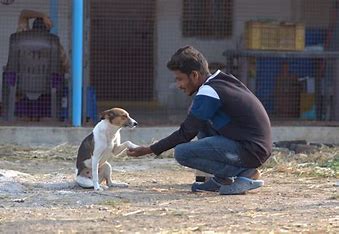
Even today, despite aging and both her children having moved abroad for studies, my mother continues to care for over ten stray dogs and several cats. Every evening, she visits our place, where she waters the plants, feeds the stray dogs and cats, checks for any injuries, and takes them to a vet if needed. Their joy upon seeing her – tails wagging, eyes gleaming – reminds me of children rushing to greet their mother returning from work.
Confronting the Crisis: A Reality Check
During a recent holiday in India, I began to observe the situation more critically. While watching my mother feed the animals, a troubling question lingered in my mind — Is this enough? How many stray animals can one household care for? 10? 20? 30?
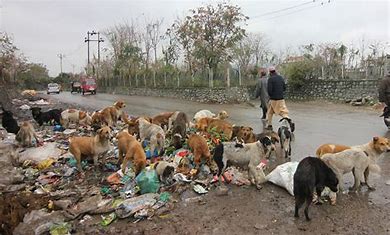
The ‘State of Pet Homelessness Index’ revealed that an estimated 80 million homeless cats and dogs in India are living in shelters or on the streets – the highest in the world. That’s 80 million lives struggling without shelter, food, or basic care. Many suffer from painful diseases, or untreated wounds, or are victims of abuse and neglect.
Every day, I see heartbreaking scenes:
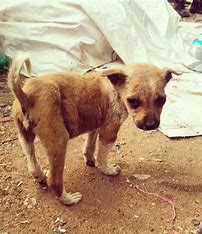
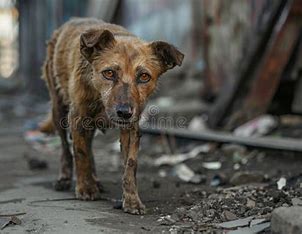
A severely ill dog lying helpless by the roadside.
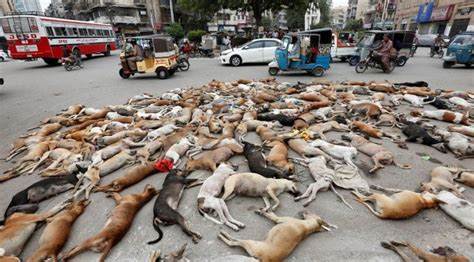
Dead dogs struck by vehicles, their bodies ignored by passersby.
Children throwing stones or crackers at dogs for entertainment, because they were never taught to respect life.
Adults beating or chasing strays out of fear, frustration, or annoyance.
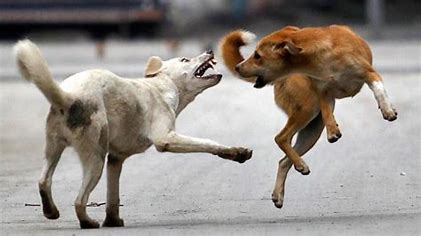
Almost every night, the cries of dogs fighting and crying in pain over territory pierce the silence.
Despite the efforts of animal lovers, NGOs, and a few active citizens, the problem is growing and society remains largely indifferent. And the citizens just watching them suffer and sometimes abusing them is more or less ANIMAL CRUELTY.
Understanding the Magnitude of the Problem
This crisis isn’t just about animal welfare — it’s also a serious public health and safety issue.
• A Personal Incident:
During my high school years, I enrolled in a government residential school where merit students from all over the state get free education and boarding facilities near a forested area. One of my classmates was attacked by a pack of stray dogs while walking early in the morning on the way to the study hall. She was severely injured. Thankfully, she survived, but the trauma remained.
• Human Deaths and Rabies:
According to data collected by Dr. Abi Tamim Vanak, an animal ecologist and conservation biologist, over 300 people, primarily children from poor and rural backgrounds, were killed or seriously injured by dogs between 2016 and 2020.
The World Health Organization (WHO) reports that India accounts for 36% of the world’s rabies deaths, with around 18,000–20,000 deaths annually, primarily caused by dog bites. Rabies is almost always fatal once symptoms appear, yet it is entirely preventable with timely treatment.
• Environmental and Public Hygiene Hazards:
Stray animals often defecate in open areas, leading to unsanitary conditions. Their waste attracts pests and spreads diseases. Barking, fighting, and scattering garbage add to the public nuisance. In densely populated urban spaces, this leads to rising tension between humans and animals.
• Some Horrifying Cases from Recent Years:
# In 2023, nine women were killed by stray dogs in Begusarai, Bihar.
# In Hyderabad, a 4-year-old boy was mauled to death by three stray dogs.
# Nearly 3 million cases of dog bites were reported in 2023 alone, with 286 deaths in New Delhi.
# In 2016, a 65-year-old woman and a 90-year-old man were killed by dogs in Kerala, the woman was partially eaten by the stray dogs, prompting locals to kill 100 dogs in retaliation.
# In 2020, a newborn baby was mauled to death by dogs in Uttar Pradesh when hospital staff left a window open.
The numbers are harrowing – and they keep growing.
The Other Side of the Story: The Pain of Stray Dogs
The life of a stray dog is not just dangerous for humans — it is full of constant suffering for the animals themselves.
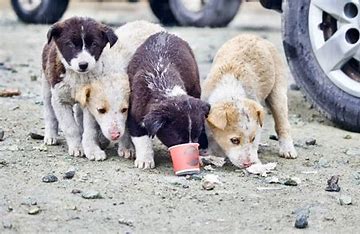
They roam the streets exposed to hunger, dehydration, extreme weather, infections, and violence. Minor injuries often turn fatal due to a lack of medical help. Parasites, untreated diseases, and starvation are rampant. Most live short, painful lives, dying in agony on the very streets they were born.
Despite their suffering, many of these animals are gentle, loyal, and capable of love. But with no system to protect or care for them, they’re left to perish or be treated as threats.
While stray dogs face immense hardships themselves, their presence can unintentionally create challenges for other street animals, particularly cats. Dogs, being territorial and often moving in packs, may chase or attack cats, especially during feeding times or over shelter spaces. This makes it harder for cats to access food, safety, or medical help. Kittens are especially vulnerable. The constant threat can force cats into hiding, reducing their chances of survival. A balanced approach to managing stray dog populations is essential to ensure the well-being of all street animals.
Legal Framework and Its Loopholes
India does have animal protection laws. The Prevention of Cruelty to Animals Act, 1960, penalizes abuse. But enforcement is weak. Many cases go unreported, and even when they are, offenders often escape with minimal consequences.
The absence of large-scale sterilization, vaccination programs, and proper rehabilitation centers worsens the issue. Some cities have tried to take action, but isolated efforts cannot solve a national problem of this scale.
Learning from the World: How Other Countries Handled the Stray Dog Crisis
While India continues to grapple with its stray dog problem, several countries have successfully implemented sustainable, humane solutions — proving that with the right policies and community will, change is possible.
Successful Global Models
The Netherlands is often hailed as the first country to become “stray dog-free.” Rather than resorting to mass culling, the Dutch government adopted a collect, neuter, vaccinate, and return (CNVR) approach. They also enforced strict animal welfare laws, promoted adoption over buying pets, and levied heavy taxes on the sale of bred dogs, discouraging overbreeding.
Germany has robust animal protection laws and maintains strict regulations around pet ownership. They have high adoption rates and mandatory licensing, along with responsible pet owner education — reducing abandonment and ensuring accountability.
Turkey handles stray dogs through community inclusion. Stray animals are tagged, vaccinated, and released, with food and water stations placed in public areas. Citizens often see caring for strays as a communal duty, creating a more compassionate environment.
Romania, once infamous for its stray dog issues, has made notable progress with neutering campaigns and EU-supported welfare regulations.
What India Can Do: The Way Forward
India’s problem is uniquely complex due to its large population, urban chaos, and inadequate infrastructure. However, change is still possible if tackled with a multi-pronged approach
Proper implementation of sterilization and vaccination campaigns, not just in urban centers but also in semi-urban and rural areas. Funding and support should be directed toward NGOs already working on the ground.
2. Stricter Pet Ownership Laws & Responsible Breeding Regulation
Implement mandatory registration, penalties for abandonment, and licensing for breeders.
3. Animal Welfare Education
Introducing basic animal empathy and safety education in school curriculums will instill compassion from a young age. Public awareness campaigns can reduce cruelty and improve coexistence.
4. Partnerships with NGOs and the Private Sector
Government bodies can collaborate with dedicated animal welfare organizations and companies (like Mars Petcare) to create structured intervention plans — leveraging their data, resources, and outreach.
5.Building More Shelters & Mobile Clinics
Investment in well-managed, hygienic shelters and mobile veterinary units will help care for injured or ill strays and reduce suffering on the streets.
6. Community Involvement and Decentralized Action
Municipalities should enable local communities to take part in dog feeding zones, report injured animals, and even foster programs, turning compassion into actionable impact. Keeping the public places cleaner.
7. Encouraging adoption over purchase can also control overpopulation.
Some of the drawbacks of Selling Exotic Dog Breeds:
The rising demand for exotic dog breeds in India has led to serious ethical, environmental, and health concerns. While breeds like Huskies, Saint Bernards, and Alaskan Malamutes may appear fashionable or desirable, they are often ill-suited to India’s hot and humid climate. These breeds can suffer from heatstroke, skin infections, and respiratory issues, as they are biologically adapted to cold environments.
For example, Rottweilers, A powerful guardian breed, Rottweilers need consistent training, early socialization, and strong leadership. Without it, they can develop aggression or fear-based behaviors, making them risky around untrained children or guests. We’ve seen many cases where pet dogs become aggressive and unpredictable all of a sudden and attack people.
Moreover, the commercial breeding industry that supports exotic dog sales often prioritizes profit over animal welfare. Overbreeding leads to congenital health problems, while unethical breeders may keep dogs in cramped, unsanitary conditions.
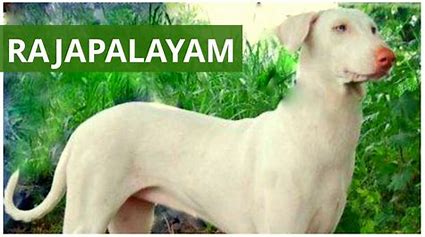
This obsession with exotic pets also overshadows native Indian breeds like the Rajapalayam, Kombai, or Pariah dogs, which are naturally adapted to local conditions and often healthier and lower-maintenance.
Encouraging adoption and promoting native breeds over exotic ones can lead to more responsible pet ownership and better animal welfare
A Call for Compassion and Action.
This is not just an animal issue. It’s a social issue, a public health issue, and a humanitarian issue.
Most importantly, we need to care. Because change begins with awareness.
Final Thoughts
India’s stray dog crisis is real. It affects millions of animals and thousands of humans every year. Yet, it continues to be ignored.
My mother, with her quiet and consistent compassion, may not change the world. But she changes the world for those few dogs and cats who find love in her presence. And maybe that’s where change begins — with love, empathy, and the will to act.
The Illusion of Reality: Philosophical and Scientific Perspectives
In a general sense, an illusion means a ‘deceptive appearance, false idea, belief or impression’ or you can say ‘an instance of a wrong or misinterpreted perception of a sensory experience.‘
According to Philosophy, there are many concepts of Illusion in human life. Idealism, Transcendental Ideology, Eternalism, Phenomenalism, Maya, and so on are all various theories that raise the interesting question, ‘How real is reality as we know it?’
Illusion is a central concept across some religions which say illusions arise from ignorance, distorted perceptions, and false beliefs, often linking them to concepts such as Maya or misconceptions about spiritual truths. Ultimately, overcoming these illusions is viewed as essential for recognizing and connecting with the underlying spiritual reality. Most religions preach nonetheless the same concept that there is all superior omnipresence and that we humans are just a part of the supreme almighty’s simulations.
Many scientists also postulate different theories of the Illusion of our existence. Some say we are all a part of a highly advanced external simulation, while some say a two-dimensional theory that briefly suggests that humans can perceive only two dimensions, there are even deeper layers in the universe that we cannot perceive through our eyes. Hence we Believe in what we See but I think maybe it’s the other way around, we See what we Believe. Quantum mechanics says that reality is what you choose it to be.
Let’s keep aside the Philosophical, Religious, and Scientific theories about the Illusion of human life which we never know for sure until proven. So the question is Are we living in an Illusion? I’d say Yes indeed! An illusion we created for ourselves. I like a famous quote that says ‘At some level, Everything is an Illusion and Nothing is an Illusion.’
From Evolution to Civilization: The Illusion of Human Progress
Humans are the most complicated beings on this planet. As evolution took place, humans started building a separate world around themselves-a world that did not align with the rest of the creatures.
Homo sapiens, the modern humans, first appeared around 300,000 years ago in Africa. Fossil and genetic evidence suggest that early Homo sapiens populations initially thrived in small groups, relying on advanced tool-making, hunting strategies, and social cooperation for survival. For millions of years all humans, early and modern alike, had to find their food. They spent a large part of each day gathering plants and hunting or scavenging animals. By 164,000 years ago humans were collecting and cooking shellfish and by 90,000 years ago humans had begun making special fishing tools. Early humans were nomadic. They used to move from place to place for various reasons like in the search of food, climatic conditions, external threats, etc. Mostly life was all about survival. But then, around 12,000 years ago, humans started farming, which gave them access to cultivate their food to meet dietary requirements. Eventually, humans started settling down in one place rather than wandering from place to place. Colonies were built up, societies formed and civilizations thrived.
In the beginning, humans used the Barter system to exchange goods, food, or any other essentials. But soon due to flaws in this system, humans started using Gold and Silver in exchange for their necessities and services. The paper currency system came into existence around 700 to 800 A.D. From the Barter system to paper money and from promissory notes to cryptocurrency, money has traveled way long into human lives and now it plays a crucial role in our existence. The wheel was invented around 3500 B.C. The marriage system was created around 2350 B.C. Humans invented a system to measure and track time. These systems have evolved through the ages and across cultures as humanity sought to understand and organize the passage of days, months, and years.
Exploring the Nature of Illusion in Human Existence
From evolution to the modern day, humans have built a world around themselves-a world which is run by a system. Humans started living for validation of this system. We believe that we are living in a world of our Free Will. But what we are living in is an imaginary or illusionary world in a way where there is a set of rules that allow us to live in their desired way.
Most of the human problems are created by humans themselves. Money, Education, Job, Marriage-Divorce system, Success, Pollution, many Health issues, Violence in the name of religion & land, Politics and so on every other problem is created by humans themselves. The life we imagine to be ours is based on the rules set by the society and it’s external validation. Here I’m not saying that there shouldn’t be a system at all.
We all might have heard about Honey bees. Honey bees usually live in colonies. The colony usually has a caste system, consisting of a queen, drones, and workers. Several thousand worker bees cooperate in nest building, food collection, and brood rearing. Each member has a definite task to perform, related to their adult age. But surviving and reproducing take the combined efforts of the entire colony. Individual bees (workers, drones, and queens) cannot survive without the support of the colony. Each colony has only one queen because she is the only sexually developed female, her primary function is reproduction. Drones (male bees) are the largest bees in the colony. Their main function is to fertilize the virgin queen during her mating flight. Drones become sexually mature about a week after emerging and die instantly upon mating. Although drones perform no useful work for the hive, their presence is believed to be important for normal colony functioning. The social structure of the colony is maintained by the presence of the queen and workers and depends on an effective system of communication. Every creature on this planet-trees, animals, insects, reptiles-has their own system that is required for their survival.
Finding Harmony in Illusion: A Conscious Approach to Existence
Then what’s the difference between humans and the rest of the world? The answer somewhere lies in our conscious awareness and our tendency to over engineer life. Unlike other species that live in harmony with nature, we humans try to dominate, dissect, and define it which in turn affects us in every possible way. We have built layers upon layers of artificial means like money, status, borders, beliefs, and identities. These are not necessarily wrong, but they are not absolute truths either. They are constructs born out of necessity, shaped by fear, and fuelled by imagination.
Even the simplest things we celebrate like birthdays, anniversaries, and special days-are illusionary in a way. We celebrate the passing of another year as if it marks some universal milestone, but time itself is a man-made construct. The Earth doesn’t recognize your birthday; it simply orbits the sun as it always has. We measure our lives in years, attach value to numbers like 18, 30, or 60, and let those numbers dictate our choices, expectations, and even emotions. But biologically, psychologically, and spiritually—we are evolving in ways no calendar can define. So what are we truly celebrating? A number? A societal expectation? Or an illusion that makes us feel in control of something as fluid as time?
We hold our stuff dear to us-our accessories, jewelry, electronics, and all the stuff that humans created but most of them are not even necessary for us but we imagine that the more expensive the stuff we possess, the more superior we are and get so much attached to this materialistic stuff that we start to judge or degrade others based on the materialistic things a person holds. The same goes for money. Money plays a key role in modern human life. Money gives us so much power that in today’s world a man is ready to do anything & everything for money and with money. But isn’t money created by humans just for the sake of their convenience? Why did it become so important in our lives? Because we made it. Money and all the stuff it gives us pushes us into an Entitlement. Isn’t this entitlement an illusion? Most of the people on social media are living in virtual reality, they find their happiness based on their likes and followers. But when it comes to the Reality of Life they are not as happy as they show it. Isn’t this an Illusion? An Illusion of Virtual Reality?
Animals kill to eat. Humans kill for profit, pride, or politics. A tree gives without asking. We calculate everything before giving. Ants build colonies; humans build empires-but often at the cost of the planet that nurtures them. The land we own, we believe to be ours doesn’t belong to us. It belongs to nature, the universe. Humans are making rapid progress in Artificial intelligence which will take over in the coming years. With AI there are already so many fake photos, videos, and news on the internet that in the near future we will lose a sense of Reality for real. It will become hard to identify what’s Real and what’s Fake. The actual outcome of AI in the progress of Mankind will be based on the way and the purpose we use it which will be seen in the near future. Our strength is our intellect, but our weakness is our detachment from instinct and simplicity.
We have reached the moon, decoded DNA, and built machines that think. Yet, many struggle to sleep peacefully or find meaning in their lives. Isn’t that the biggest illusion of all? That with so much progress, we’re still lost!
The real question might not be “Are we living in an illusion?” but “Can we live more consciously within it?” The goal isn’t to escape the illusion, but to understand it, to not be enslaved by it, and to find harmony in this layered existence.
Perhaps reality isn’t about what’s real or unreal, but how aware we are of the roles we play in the grand Illusion we call Life.
Welcome to my little corner of the internet. This is my very first post—just the beginning of a new journey, and I’m excited to see where it takes me.
I’ll be sharing thoughts, experiences, and maybe a few lessons along the way. Whether it’s life updates, personal growth, or anything that sparks curiosity, this space is for exploration and connection.

 Inkwellery by Abhi